Table Of Content
Rapid weight loss can put stress on the body, leading to loss of hair. There’s no evidence that hair loss is a direct side effect of Ozempic, Wegovy, Mounjaro or Zepbound. Hair loss is more likely due to the stress of rapid weight loss on your body, which can lead to temporary shedding of hair over several months, a condition known as telogen effluvium. As with most drugs, some people can have an allergic reaction after using Mounjaro. This side effect was seen in clinical trials of Mounjaro, but it wasn’t common.
Serious allergic reactions
During pregnancy, this medication should be used only when clearly needed. “Telogen effluvium [or TE] is a diffuse shedding of hair that occurs approximately three months after a major stressor,” said Susan Massick, MD, a dermatologist at the Ohio State University. Similarly, there is little information on the presence of Mounjaro in human breast milk or on the effects on the breastfed infant. Mounjaro should only be used if the potential benefit justifies the potential risk. Here, our experts break down common and serious side effects, and offer tips to relieve discomfort and your treatment as easy as possible.
Very common side effects of Mounjaro® (may affect more than 1 in 10 people):
If needed, the day of weekly use may be changed as long as the time between two doses is at least 3 days. Carefully follow the medication treatment plan, meal plan, and exercise program your doctor has recommended. This medication can cause a certain type of thyroid tumor (thyroid C-cell tumors) in rats. It is unknown if this medication can cause similar tumors in humans.
Top Reads in Drug Info
FDA looking into reports of hair loss, suicidal thoughts in people using popular drugs for diabetes and weight loss - CNN
FDA looking into reports of hair loss, suicidal thoughts in people using popular drugs for diabetes and weight loss.
Posted: Thu, 04 Jan 2024 08:00:00 GMT [source]
Tirzepatide is also a once-weekly injection that works on the hormone GLP-1, but it has an additional effect on another hunger-related hormone known as GIP. Like semaglutide, it was initially designed to treat type 2 diabetes, but is currently in the process of FDA approval for weight loss. Mounjaro's versatility in managing type 2 diabetes and facilitating weight loss stems from its ability to regulate appetite, promoting a sense of fullness and reducing food cravings. This dual-action treatment is available in varying strengths, from 2.5 mg to 15 mg, catering to individual needs and ensuring tailored treatment plans. Birth control pills may not work as well while receiving this medicine. Your doctor may suggest you use another form of birth control for 4 weeks after starting this medicine and for 4 weeks after each dose change.
If you develop serious side effects during Mounjaro treatment, call your doctor right away. If the side effects seem life threatening or you think you’re having a medical emergency, immediately call 911 or your local emergency number. Many common side effects of Mounjaro are mild and don’t require medical attention. Because semaglutide and tirzepatide suppress appetite, people typically eat significantly less than their bodies are used to while taking the drugs.
Hair loss is common with major weight loss
Many other drugs may interact with this medicine, including prescription and over-the-counter medicines, vitamins, and herbal products. To check for interactions with this medicine click the link below. Using Mounjaro may raise the risk of developing thyroid cancer. In studies, animals given Mounjaro had an increased risk of thyroid cancer. But it’s not known if Mounjaro could cause thyroid cancer, specifically medullary thyroid cancer (MTC), in humans.
You may notice increase hair loss in your shower drain, on your pillow or clothes. Dry hairs that fall out easily are another telegen effluvium symptom. On the list of official Mounjaro side effects hair loss isn’t one of them. Well, like many things – your body will have a different reaction than someone else’s. When taking a GLP-1 such as Mounjaro, Ozempic or Wegovy, users are noticing that weight isn’t the only thing they are losing.
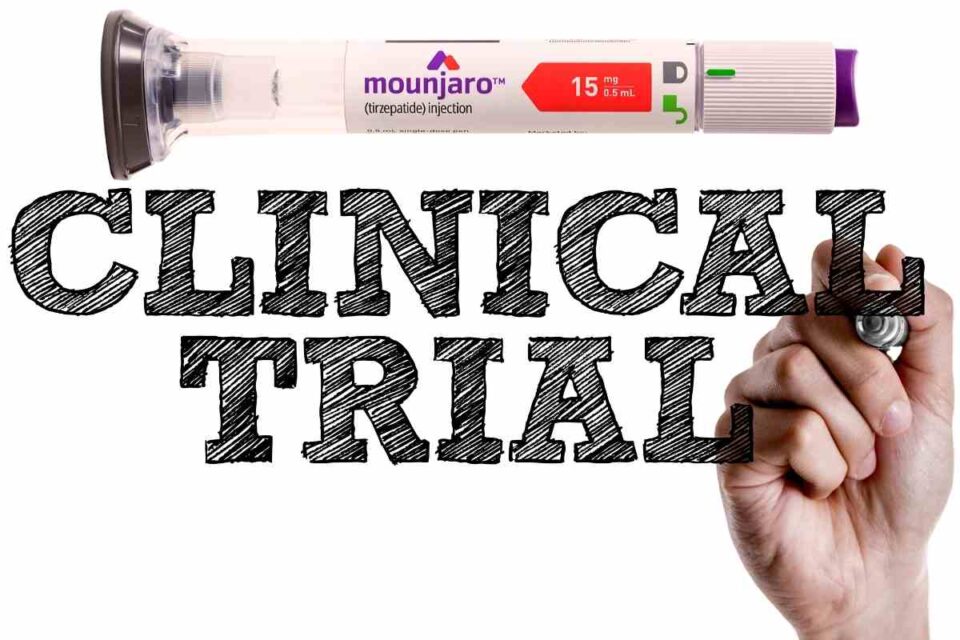
Mounjaro (tirzepatide) injection is used for type 2 diabetes in adults to lower blood sugar levels (blood glucose) and A1C levels. Mounjaro is a once-weekly injection that should be used with diet and exercise. Clinical trials for a 15 mg dose of Mounjaro (tirzepatide) for weight loss showed patients lost a mean of 20.9% of their body weight compared to 3.1% for placebo over 72 weeks. However, doctors may prescribe Mounjaro off-label to help with weight loss. Off-label drug use is when an FDA-approved drug is prescribed for a purpose other than what it’s approved for.
Find Another Drug
If you miss a dose of Mounjaro, you can take it as soon as you remember, up to 4 days late. If more than 4 days have gone by, skip the missed dose and take the next dose on the regularly scheduled day. You should take doses of Mounjaro at least 3 days (72 hours) apart. For details, you can refer to the “Mounjaro dosage” section below.
Inject this medication under the skin in the thigh, abdomen, or upper arm as directed by your doctor, usually once every 7 days. The dosage is based on your medical condition and response to treatment. To reduce your risk of side effects, your doctor may direct you to start this medication at a low dose and gradually increase your dose. Neither platform is the best place to seek medical insights, but experts share it’s important to discuss the potential for hair loss when taking a semaglutide medication. You may have heard about the dramatic weight loss people are experiencing from taking GLP-1 medications like Ozempic and Wegovy (semaglutide), and Mounjaro (tirzepatide).
FDA investigates reports of hair loss, suicidal thoughts in people using popular diabetes, weight loss drugs - The Hill
FDA investigates reports of hair loss, suicidal thoughts in people using popular diabetes, weight loss drugs.
Posted: Thu, 04 Jan 2024 08:00:00 GMT [source]
Keep in mind that taking certain diabetes medications, including insulin or sulfonylureas, can increase the risk of hypoglycemia (low blood sugar) with Mounjaro. To learn about symptoms of this side effect see “Serious side effects” in the “Mounjaro side effects” section above. Your doctor or pharmacist can advise you on how to help manage hypoglycemia. Mounjaro is FDA-approved to help manage blood sugar levels in adults with type 2 diabetes, in addition to diet and exercise. Mounjaro has certain limitations of use that you can learn more about in the “Mounjaro uses” section below. Mounjaro’s side effects when used for weight loss are expected to be similar to side effects of the drug when it’s used for type 2 diabetes.


No comments:
Post a Comment