Table Of Content
Justin is working for artincontext.org as an author and content writer since 2022. He is responsible for all blog posts about architecture, literature and poetry. Justin’s preferred literary movements include modern and postmodern literature with literary fiction and genre fiction like sci-fi, post-apocalyptic, and horror being of particular interest. He enjoys analyzing a variety of mediums through a literary lens, such as graphic novels, film, and video games. After it was renovated in 2008, it was converted into a museum and renamed the Victoria Gallery and Museum. Now, it showcases artifacts and art collections and is celebrated as an internationally renowned example of Victorian architecture.
There were strong class divisions in Victorian society
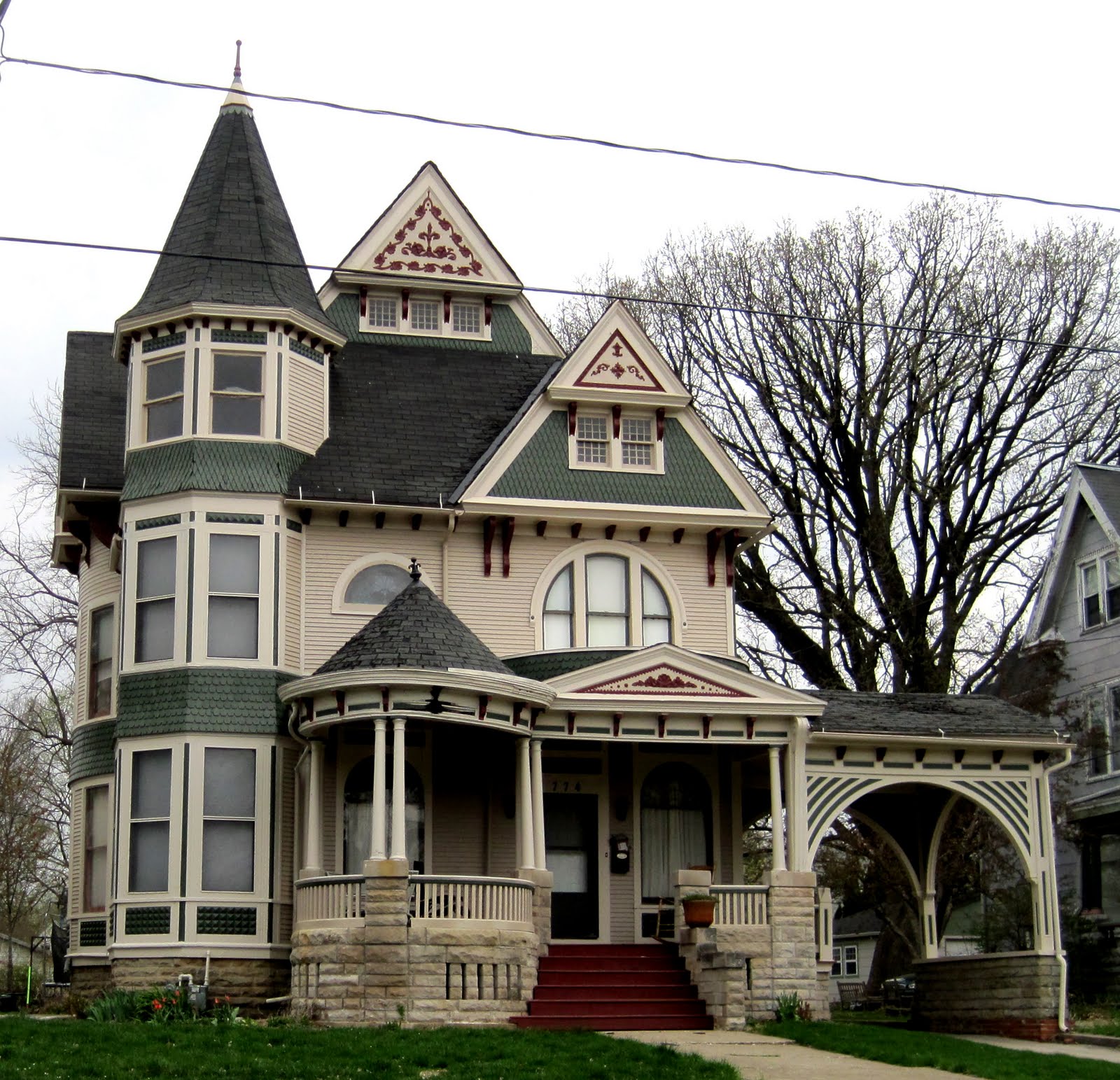
The splash, dash, and panache of colorful patterns transformed the Victorian home. It is impossible to talk about Victorian design without mentioning architectural features. Many people embellished their homes with decor like elaborately carved crown molding or built-in bookcases. Decorative wainscoting paneling was also very common, along with stained glass and wrought ironwork.
What are the iconic examples of Victorian architecture around the world?
The harmonious interplay of textures and patterns adds depth and opulence to interiors, making Modern Victorian design a captivating tapestry of old-world charm and modern sophistication. Victorian architecture developed through the influence of economic growth, expanding wealth, and industrialization which enabled mass production of building materials and components. Firstly, the Victorian period saw sizable economic expansion and wealth creation, including a growing middle class.
In Australia, an Old Victorian With a Moody Modernist Vibe - The New York Times
In Australia, an Old Victorian With a Moody Modernist Vibe.
Posted: Tue, 23 Jan 2024 08:00:00 GMT [source]
Wright-Mooers House
Architectural details are present throughout the home’s interior and exterior, so for those searching for a home filled with unique characteristics, a Victorian home may just be the right fit. Built in 1899 for the artist and socialite Sarah Posey, this fantastical home was bought only a year after Posey settled in by the legendary oil magnate EL Doheny and his wife Estelle. This American Foursquare house (with Richardson Romanesque influences) was designed by famed architect Frederick L. Roehrig in 1895. One of the oldest surviving Roehrig houses, it was situated on the ultra-fashionable “Millionaire's Row” in Pasadena. A reaction to fussy Victorian styles, American Foursquare emphasized boxy lines, “honest” carpentry and plain facades. It is considered a cousin to both the Prairie and Craftsman styles of architecture.
Victorian Bedroom furniture
A muted color palette with soft pastels or rich, deep hues sets a Victorian ambiance. To balance the old-world charm with contemporary convenience, include modern amenities such as heated floors and discreet storage solutions. The result is a bathroom that exudes Victorian grace while catering to modern comfort and style. Delving into the utilization of opulent fabrics in the realm of Modern Victorian design, where rich textiles play a pivotal role in capturing the essence of this fusion aesthetic. In this design style, classic Victorian elements are blended with contemporary sensibilities, and textiles are no exception. From velvets and brocades to intricate lace and silk, these luxurious materials are deployed in upholstery, drapery, and decor to create a sense of refined elegance.
The dominant architectural style that preceded the Victorian era was split up into the Georgian period which lasted from 1714 to 1830, and the late Georgian period which lasted from 1830 to 1837. This early style was characterized by buildings that consisted of three stories that had large rooms. The first two stories would usually be occupied by the family, and the top floor, which was the smallest of the three, was occupied by the house servants. Victorian architecture does not actually refer to a specific architectural style but rather to a specific era. The Victorian period refers to the years between 1837 and 1901, during which Queen Victoria ruled as the monarch over the United Kingdom.
Drawing from multiple historical eras, Victorian architecture freely blended Gothic, Italianate, Tudor, and other revival styles. New mass production methods enabled affordable, abundant decorative components. Balancing modern elements with Victorian charm in interior design involves a thoughtful fusion of styles.
The element that nails the tropic-inspired Victorian style, however, is a strip of white fishtail iridescent tiles that fittingly evoke mermaids and sea life. It not only evokes a dreamy oceanic feel behind the shower's recessed shelf but softens the marble expanse and keeps it from looking too contemporary and austere. The bathroom also sports a black clawfoot tub at the opposite end of the room that offers a romantic Victorian touch.
What are the defining characteristics of Victorian architecture?
The Carson Mansion is regarded as the most renowned Victorian house in the United States of America. It is situated in the town of Eureka in California and was designed by Samuel and Joseph Newsom. Construction on the mansion started in 1884 and finished two years later in 1886. Despite originally being built for the royal family, certain sections of the property were converted into a private museum after she had passed away and were used exclusively by members of the royal family. In the present day, the museum has been made available for public viewing and is no longer limited to access by the royal family.

Located in the Kew Gardens, the greenhouse can be visited by the public from Mondays till Thursdays every week. It is one of the most easily recognizable structures around the globe and is famous for its unique Gothic Victorian architecture. His designs for Rundell and Bridge, a goldsmith company, were the first independent commissioned work he was contracted to do without his father. After a stint doing theatrical scenery production, he took up sailing and became a merchant, trading between Holland and Britain. He was educated by John Nash, Sir John Soane, and his father, James Burton. His siblings were also notable individuals in their respective fields, such as James Burton who was an Egyptologist who mapped the Valley of the Kings, and Henry Burton, who was an accomplished physician.
Pugin’s father originally immigrated from France to England during the French Revolution. His father was an influential figure in architectural circles, having written several volumes of architectural drawings which studied the style of Gothic architecture. In 1841 he became increasingly interested in the architecture of people such as Augustus Pugin and got more involved in the Gothic Victorian style. His early work at St Giles’ Church in Camberwell and the Martyrs’ Memorial in Oxford helped to gain a positive reputation early in his career within the movement. Victorian-era buildings first arose in England and many of the towns and cities are still defined by Victorian-era architecture.
Terraced workers’ cottages contrasted sharply with upper-middle-class detached villas. Yet improved transport enabled the mass production of building materials, making housing accessible to more classes. Along with the interior aspects, Victorian architecture itself is extremely desirable for some, causing people to hunt for Victorian houses specifically, or attempt to recreate these elements in new builds. Even though the decorative objects were mass produced and not quite made to last, Victorian homes are still capably sheltering families across England, America, and beyond to this day. The Industrial Revolution was underway and this resulted in an explosion in mass production. Victorian-style houses were built for people across a large range of income levels and classes of society.
Alfred Waterhouse designed and built the Victoria building between 1889 and 1892. It has been listed as a Grade II category building and is situated in Liverpool in England. The building was meant to serve as a university structure which included teacher’s accommodation, an administration center, and a library. The building is also formerly the University of Liverpool’s headquarters.


No comments:
Post a Comment